Apple's $14B AI Bet Just Beat Nvidia's $750B One. That's Backwards.
On July 27, Nvidia's five-year credit default swaps jumped the most in a single day since they started actively trading last November. Not because Nvidia missed earnings. Not because a chip failed. Because reports surfaced that Nvidia is negotiating up to $250 billion in guarantees to back OpenAI's data center buildout, on top of a separate $500 billion infrastructure project tied to South Korea's SK Group — pushing Nvidia's potential combined commitments north of $750 billion.
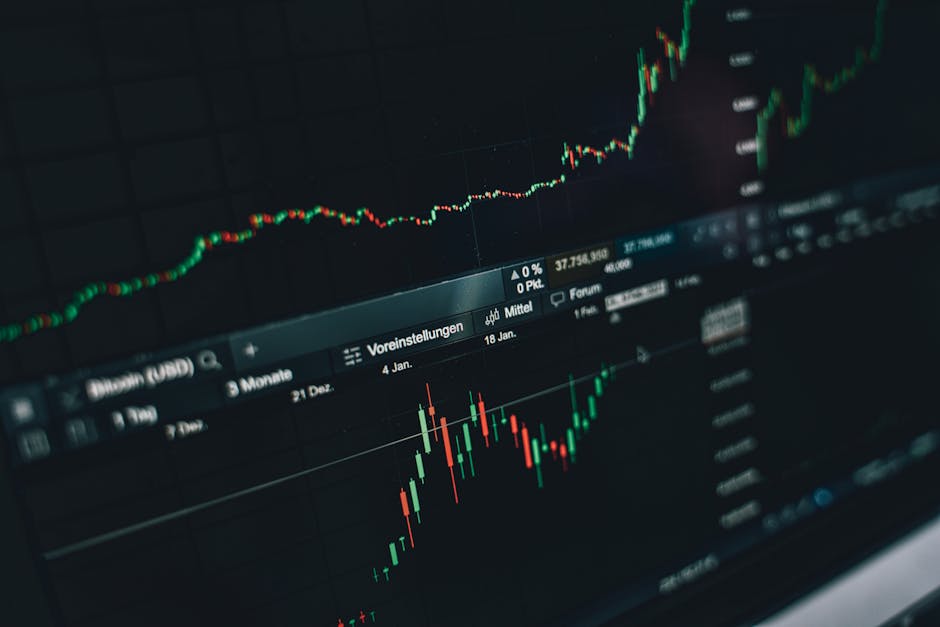
Photo by Alesia Kozik on Pexels
The same week, Apple's market cap climbed past Nvidia's again — $4.94 trillion versus $4.83 trillion — reclaiming the title of world's most valuable company. Apple's 2026 capex? A little over $14 billion, essentially flat year over year, while Amazon, Alphabet, Meta, and Microsoft together are on pace to spend roughly $725 billion building AI infrastructure. Apple just authorized an extra $100 billion in buybacks instead. As I covered in Nvidia's $250B OpenAI Backstop Revives Circular Financing Fears, the market has been nervous about this exact structure for weeks. Now it's showing up in the actual rankings.
Nvidia's Own Credit Market Doesn't Trust the Deal
Here's the part that should give you pause if you own Nvidia: the CDS spike wasn't triggered by anything going wrong. It was triggered by Nvidia offering to take on more obligation — guaranteeing that OpenAI and its partners can pay for capacity Nvidia itself is helping finance. Bloomberg's framing of circular financing is blunt: "you buy from me, I invest in you, and everything's fine unless one of us has a problem, in which case both of us have a problem." Analysts have now tallied more than $800 billion in these vendor-financing-customer loops across the AI supply chain, and the Bank for International Settlements flagged the structure as a systemic risk in its 2026 annual report.
That's not a reason to panic-sell Nvidia. It's a reason to be precise about what's actually being repriced: not Nvidia's chips, but Nvidia's balance sheet exposure to counterparties whose own funding is less certain than Nvidia's.
Apple's $14 Billion Is Being Read as Wisdom. Is It?
The narrative writing itself right now is that Apple "avoided the capex pitfalls" the rest of the Magnificent Seven fell into. Tim Cook has described Apple's AI spending as incremental on top of the existing product roadmap — not a strategic pivot. That's a real, defensible position if you believe on-device AI features can ride existing silicon and Apple doesn't need to own compute the way a hyperscaler does.
But notice what that framing conveniently skips: Apple isn't winning because it made a better AI bet. It's winning because it made almost no AI bet at all, and the market is currently rewarding restraint over ambition. That's a sentiment call, not a fundamentals call — and sentiment calls reverse fast.

The Number That Actually Contradicts the Story
Here's the twist nobody's writing about: Nvidia's forward P/E is 23.15. Apple's is 31.35. If the market genuinely believed Apple made the smarter capital allocation decision and Nvidia is sitting on a $750 billion time bomb, you'd expect Nvidia's multiple to look cheap relative to a deteriorating growth story and Apple's to look rich relative to a "safe" one. That's exactly what you're seeing — except it's inverted from what the market cap headlines imply. Investors are paying more per dollar of Apple's expected earnings than Nvidia's, even after crowning Apple king of caution.
That's not necessarily wrong. Apple's earnings are more diversified and less concentrated in a single capex cycle. But it does mean the "Apple = safety, Nvidia = risk" story is priced more aggressively into Apple's multiple than it is discounted out of Nvidia's. If Nvidia's actual data center revenue keeps coming in the way it has, a 23x multiple on a company still growing is a very different bet than a 31x multiple on a company that just told investors it's not spending much on the thing everyone else considers the next decade's core infrastructure.
What Would Prove Me Wrong
- Nvidia: if the OpenAI and SK Group deals get structured with real third-party financing (not Nvidia balance-sheet guarantees), the circular-financing discount unwinds and the CDS move looks like a one-week overreaction — similar to what happened after the July 17 market-cap swap briefly reversed within the same day.
- Apple: if Siri's AI overhaul and on-device features keep slipping while competitors ship agentic assistants, the "$14 billion is enough" thesis breaks, and the market re-rates Apple down for under-investing rather than up for discipline.
- Both: Q3 earnings from each will be the real test. Nvidia's data center revenue growth needs to keep justifying its capex commitments; Apple's services and hardware AI features need to show the restrained spending isn't costing it competitively.
My Read
I don't think this is a referendum on which company made the better long-term decision — it's a rotation. Capital is temporarily fleeing anything that looks like open-ended AI infrastructure exposure and flowing into anything that looks like it isn't, regardless of whether that's actually the more rational allocation of capital five years out. As I noted in Nvidia's Stock Fell 4.5% on the OpenAI Deal. Its Bond Market Fell Harder., credit markets are pricing this more aggressively than equity markets are — and that gap tends to close eventually, in one direction or the other.
If you're holding both names, the more interesting trade isn't picking a side — it's watching whether Nvidia's credit spreads normalize once the actual financing structure of the OpenAI and SK Group deals is disclosed, versus whether Apple's forward multiple keeps expanding on a "safety" premium that has nothing to do with its AI roadmap actually working. One of those two stories is going to look overdone in six months. I'd bet it's the multiple gap, not the CDS spike, that closes first — Nvidia's earnings power is real and disclosed quarterly; Apple's AI payoff is still a promise.
This is not financial advice — always do your own research before making investment decisions.
The one thing worth doing today: pull up Nvidia's forward P/E next to Apple's before you read another headline about who "won" this week's market-cap swap. The ranking tells you sentiment. The multiple tells you what's actually priced in.


댓글
댓글 쓰기