Houthis Blockade Saudi Shipping, Brent Crude Snaps Back Above $90
Yemen's Houthi rebels declared an immediate naval blockade on Saudi shipping on July 20, and Brent crude answered by rocketing more than 3% to reclaim $90 a barrel for the first time since June 11 — reopening a second maritime chokepoint just as the Strait of Hormuz remains locked down by the US-Iran war.
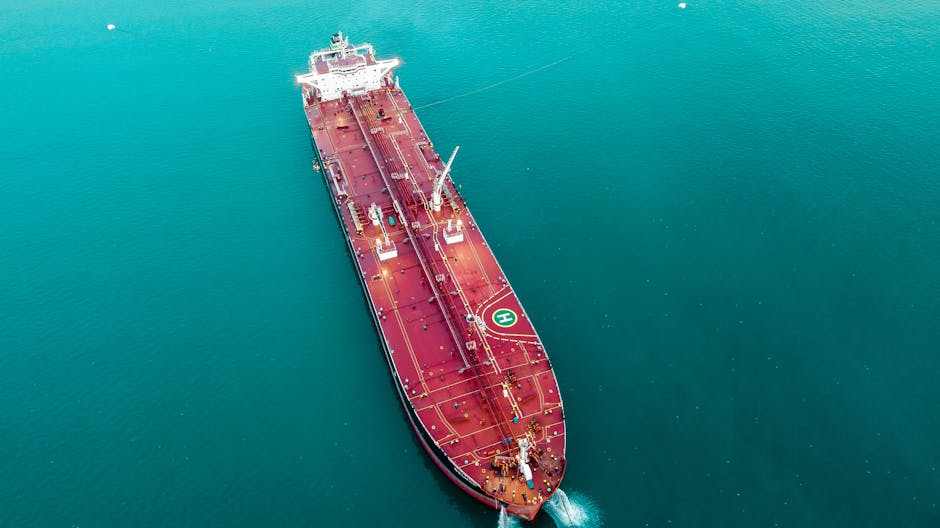
Photo by Alexander Bobrov on Pexels
What happened
Houthi military spokesman Yahya Saree announced on X that "maritime blockade measures against Saudi vessels take effect immediately," framing the move as retaliation for a Saudi blockade of Sanaa. The declaration effectively threatens to shut the Bab al-Mandeb gateway to Saudi shipping, according to reporting from CNBC and Bloomberg. Brent's September-delivery contract jumped over 3% to roughly $91 a barrel, its first close above $90 in more than a month.
The timing matters. Iran cut off most access to the Strait of Hormuz — a route for roughly 20% of global oil supply — when the current US-Iran war began on February 28, and Washington reimposed a naval blockade against Iran on July 14 after yet another ceasefire collapsed, a move that had already sent Brent up 9.6% in a single session. With Hormuz effectively closed, Saudi Arabia had been rerouting millions of barrels a day through a pipeline to a Red Sea export terminal as its main relief valve. The Houthi blockade now targets that exact escape route.
Why it matters
Oil traders were already jumpy going into this — as I covered in Oil Shock Meets Earnings Season: What Actually Moved Markets This Week, crude has been the single biggest swing factor for equities all month, arguably more than the AI-chip selloff dominating headlines. A blockade that closes Saudi Arabia's last viable non-Hormuz export corridor is a materially different risk than another round of Hormuz sabre-rattling: it removes the one workaround the market had been pricing as a safety valve. That's why Brent moved on the headline even though similar blockade threats earlier this month drew a muted response from crude, which had been "little changed" after the US reimposed its own Iran blockade on July 15.
Higher-for-longer oil flows through to almost every corner of the market — fuel costs for airlines and shippers, input costs for chemicals and industrials, and headline inflation prints that complicate the Fed's calculus. It also reinforces the volatility narrative I flagged in SPY Pulls Back From Record Highs — Is the Rally Still Intact?: energy shocks layered on top of an already-jittery chip trade make for a market with two live fuses instead of one.

Who's affected
Oil majors are the clearest beneficiaries of a sustained price floor above $90. Chevron has already been investing in pipeline and transport infrastructure specifically designed to help move crude around the Strait of Hormuz chokepoint, a bet that looks more prescient with each new blockade headline, per The Motley Fool's analysis. ExxonMobil, with its scale in upstream production, also captures more revenue per barrel as prices climb, though neither company is immune to the demand-destruction risk that comes if $90+ crude persists into a slowing economy.
On the other side of the ledger, airlines and any fuel-intensive transport names face rising input costs just as travel demand data is already being watched closely for cracks. Shipping and tanker operators face a more complicated picture: a Bab al-Mandeb disruption can push freight rates higher for vessels willing to reroute, but it also raises insurance costs and voyage times for anyone still moving Saudi-linked cargo through the Red Sea.
Broader risk sentiment is the wildcard. Middle East escalation has repeatedly triggered flight-to-safety moves this year, and the IMF has separately warned that renewed conflict "could extend commodity price volatility, further threaten supply chains, raise prices, and weigh on financial conditions."
What to watch next
The immediate tell will be whether Saudi Arabia can keep meaningful volumes flowing despite the blockade declaration, or whether shippers start avoiding the route altogether — that's the difference between a headline spike and a durable supply shock. Watch Brent's ability to hold above $90 in the sessions ahead, any formal Saudi or Gulf Cooperation Council response, and whether the US expands its military posture in the Red Sea alongside its existing Hormuz blockade. Earnings commentary from oil majors and airlines over the coming weeks should also start reflecting how corporate planners are actually pricing this risk, versus how traders are pricing it today.
This is not financial advice — always do your own research before making investment decisions.
The bottom line: this is a genuine escalation, not just another blockade threat that fades in a day — it closes off the one export workaround the oil market had been counting on. But crude has spiked and partially reversed on similar headlines multiple times this year, so the size of the move should be weighed against how quickly (or not) actual barrels stop flowing.


댓글
댓글 쓰기