Kospi Sidecar Fires as Samsung, SK Hynix Rip 5-9% Higher
South Korea's Kospi index reclaimed the 7,000 level for the first time in four days on Wednesday, opening up 4.51% at 7,052.09 and triggering the year's 20th buy-side "sidecar" circuit halt as foreign investors piled back into Samsung Electronics and SK Hynix. By mid-morning the index was trading at 7,099.83, up 351.88 points (5.21%) from the prior close — and the trigger for the move started thousands of miles away, on Wall Street.
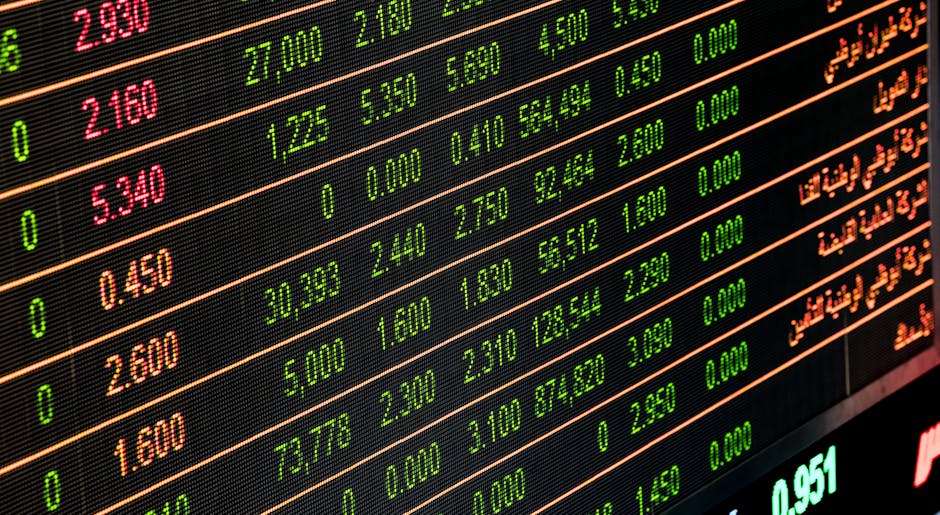
What Happened
The Korea Exchange activated a buy sidecar on Kospi 200 futures at 9:06 a.m. local time after the contract held a 5%+ gain for more than a minute — a mechanism that briefly halts program buy orders to prevent runaway volatility. Samsung Electronics jumped 5.50% to 273,500 won, while SK Hynix rose 8.66% to 1,995,000 won, putting it back within reach of the psychologically important 2-million-won level. Foreign investors were the driving force, net-buying roughly 956.1 billion won ($650 million-plus) worth of Korean equities in the opening minutes alone.
Why It Matters: The Catalyst Came From New York
This wasn't a Korea-only story. Overnight in the U.S., the Philadelphia Semiconductor Index surged 5.21%, Micron jumped roughly 12%, and SK Hynix's U.S.-listed ADR spiked 13.75% — as I covered in SK Hynix ADR Rips 13.75% as Chip Stocks Rally Before Earnings. That rally, which also lifted the Nasdaq roughly 1.3% (detailed in Nasdaq Jumps 1.3% as SK Hynix ADR Rips 13.8% on AI Earnings Optimism), reflects bargain-hunting after a sharp pullback in chip stocks tied to fading AI-spending worries. Traders are also positioning ahead of a heavy earnings slate this week, with reports suggesting hedge funds that had cut semiconductor exposure are now scrambling to rebuild positions before results land.

Photo by ElasticComputeFarm on Pixabay
Who's Affected
The immediate winners are Korea's two chip heavyweights, which together carry outsized weight in the Kospi. But the read-through for U.S. investors runs directly to Micron, the most direct American proxy for the memory-chip cycle that Samsung and SK Hynix also depend on. When SK Hynix ADRs move 13%+ overnight and the Kospi responds with a sidecar-triggering gap-up hours later, it's effectively a real-time signal of how the same memory-pricing narrative is being priced into Micron and the broader Philadelphia Semiconductor Index before the U.S. session even opens. Chip-adjacent Nasdaq names, and semiconductor ETFs tracking the SOX, are the natural extension of this move.
What to Watch Next
- Volatility whiplash: The Kospi has swung between sidecar-triggering rallies and crashes multiple times this month — including a sub-7,000 plunge just days earlier — so a single up day doesn't confirm a trend reversal.
- U.S. earnings this week: With Micron and other chip names reporting soon, the Kospi's overnight reaction functions as an early tell for how the market is pricing memory-chip demand headed into results.
- Whether foreign flows hold: A single session of ~956 billion won in foreign buying reversed prior selling pressure, but sustained follow-through — not one print — is what confirms a durable shift in sentiment.
This is not financial advice — always do your own research before making investment decisions.
Taken together, Wednesday's move shows how tightly linked the U.S. and Korean chip trades have become this earnings season: a 13.75% overnight pop in an ADR translated almost instantly into a sidecar-triggering rally 7,000 miles away. For traders watching Micron and Nasdaq semiconductor names, the Kospi's reaction is less a separate story than a preview of the same trade playing out in a different time zone.


댓글
댓글 쓰기