Oil Tops $100 as Hormuz Ceasefire Collapses, Dow Sheds 477 Points
Brent crude just broke back above $100 a barrel for the first time since May, and Wall Street is bleeding because of it — the Dow dropped 477 points, the S&P 500 fell 1.2%, and the Nasdaq slid 2.4% as traders priced in a wider Middle East conflict alongside a fresh round of tech-sector jitters.
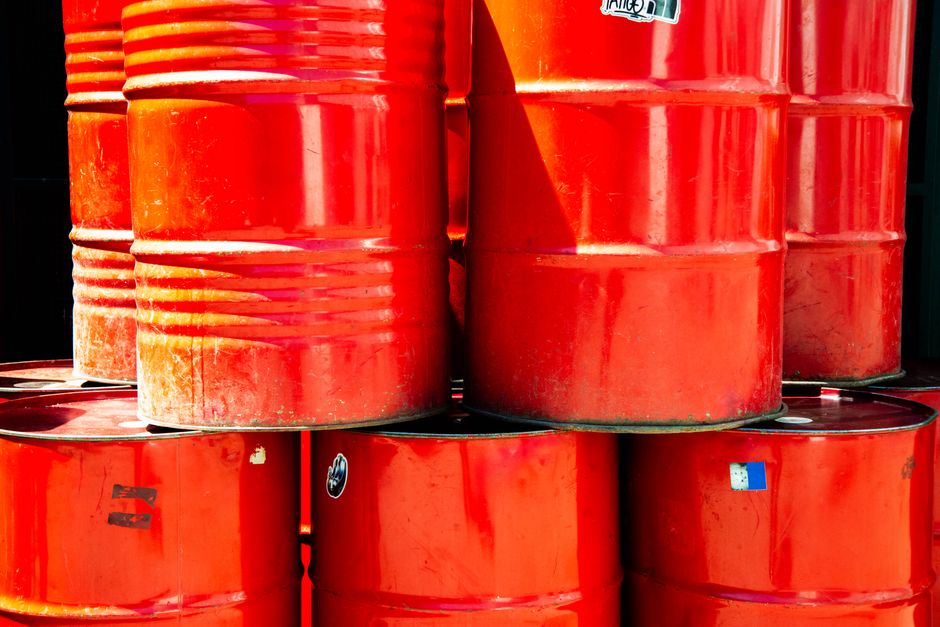
Photo by Александр Лич on Pexels
What Happened
Brent crude jumped as much as 7.2% to touch $100.88 a barrel, its highest level since May, after Houthi forces attacked two Saudi oil tankers and the fragile ceasefire covering the Strait of Hormuz effectively collapsed. WTI crude briefly touched $100 intraday before settling closer to $91.94. The move capped an extraordinary run: Brent was trading at just $71.57 on July 1, meaning the benchmark has surged roughly 40% in three weeks as the Iran conflict entered what traders are calling a "second round."
President Trump declared the Hormuz ceasefire over and reinstated a naval blockade on Iranian oil exports, warning that for every attack on a ship in the strait, the U.S. would strike an Iranian bridge or power plant — a threat that builds directly on what I covered in Trump Threatens to Bomb Tehran Power Plants Over Hormuz Attacks. That warning has now become reality in the form of a full oil-supply shock.
Why It Matters: The Market Reaction So Far
Rising oil doesn't just hit gas pumps — it raises input costs across the economy and squeezes consumer spending power at the same time inflation fears are already elevated. That's a big part of why the Dow Jones Industrial Average fell 477 points, or 0.9%, and why the S&P 500 is on pace for its first back-to-back weekly loss since March.
The selloff wasn't purely an oil story, though. Tesla and Alphabet — two of the market's most influential names — were dragging the Nasdaq down independently on renewed worries that hyperscalers are overspending on AI infrastructure, a theme I dug into in Alphabet Just Went Cash-Flow Negative for the First Time Ever. Oil at $100 layered a second, unrelated shock on top of a market that was already nervous about tech valuations, which is why the Nasdaq's 2.4% drop outpaced the broader indices.

Photo by sergeitokmakov on Pixabay
Who's Affected
Energy stocks are the clear near-term winners. Exxon Mobil rose 1.6% and Chevron gained 1.9% on the day, extending a strong 2026 for the sector — ExxonMobil is up roughly 31% year-to-date, with Chevron close behind at around 29%. Higher crude prices flow almost directly into upstream producers' margins.
- Energy majors (XOM, CVX): Benefit directly from higher realized crude prices; both closed higher even as the broader market fell.
- Airlines and logistics: Jet fuel and diesel are major cost lines, so a sustained move toward $100 oil compresses margins for carriers and freight companies almost immediately.
- Consumer discretionary: Higher pump prices act like a tax on household budgets, a headwind for retailers and travel-adjacent names.
- Mega-cap tech (Tesla, Alphabet): Already under pressure from AI-spending concerns independent of oil, compounding the day's losses on the Nasdaq.
What to Watch Next
The key variable is whether the Strait of Hormuz — the corridor for roughly a fifth of global oil flows — stays contested. Trump's pledge to strike Iranian infrastructure in response to further tanker attacks raises the odds of tit-for-tat escalation, which markets will read as sustained upward pressure on crude rather than a one-day spike. Watch for: further tanker incidents in the strait, any formal U.S. military response, OPEC+ commentary on offsetting supply, and whether Friday's close confirms the S&P 500's first back-to-back weekly loss since March. On the earnings side, upcoming reports from travel and industrial names will show how much $100 oil is actually biting into margins versus just sentiment.
This is not financial advice — always do your own research before making investment decisions.
Markets now have two live risks running in parallel — a geopolitical oil shock and a tech-valuation reset — and they're feeding off each other rather than offsetting. Energy exposure looks like the obvious hedge on paper, but a further Hormuz escalation would eventually hit demand-sensitive sectors hard enough to erase those gains too.


댓글
댓글 쓰기