Samsung's Chip Profit Hit 89 Trillion Won. Its Phones Lost Money
Samsung Electronics just posted the most profitable quarter in its history and lost money on phones and TVs at the same time. The Device Solutions chip unit racked up an all-time record ₩89.2 trillion in operating profit for the second quarter, while the Device Experience division — home to Galaxy smartphones, TVs and appliances — swung to an operating loss of roughly ₩800 billion, its first since the set businesses were merged into one division in 2021.
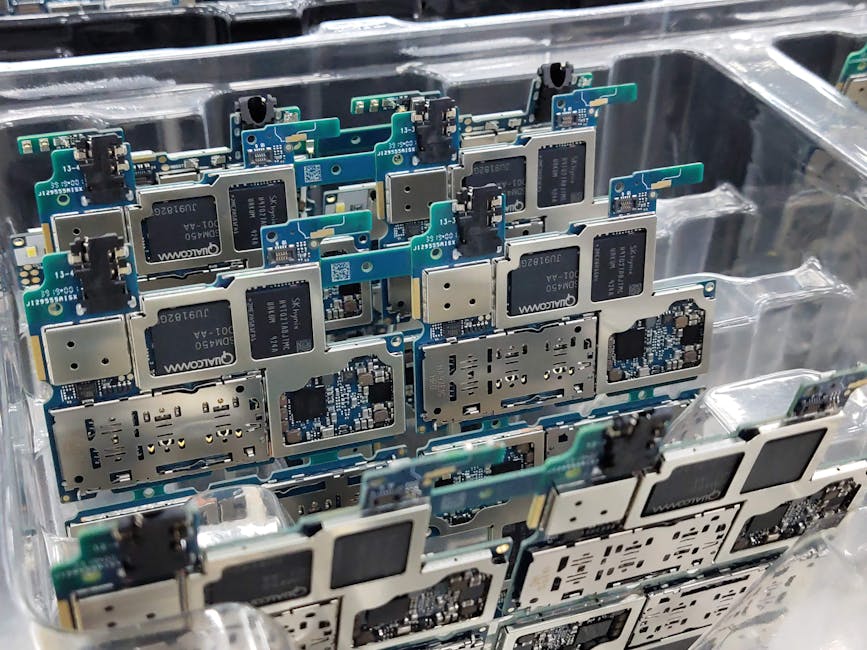
Photo by Andrey Matveev on Pexels
What happened
Samsung's Q2 numbers, reported this week, show a company splitting in two. Consolidated revenue hit ₩171 trillion with total operating profit of ₩89.4–89.5 trillion, roughly 19 times what it earned in the same quarter last year. Almost all of that came from one place: the DS semiconductor division posted ₩127.5 trillion in revenue and ₩89.2 trillion in operating profit, a margin near 70%, up from 65.7% the prior quarter, as DRAM and NAND both hit record sales on relentless AI data-center demand.
The Device Experience division told a completely different story. DX revenue came in at ₩48 trillion with an operating loss near ₩800 billion, and the Mobile (MX) unit alone accounted for about ₩700 billion of that shortfall despite stronger Galaxy S26 and Galaxy A sales. The culprit is what analysts are calling "chipflation": memory prices have risen so fast that Samsung's own phone and appliance business can't pass the cost through to consumers fast enough to protect margin — the same memory boom fueling its chip division is now squeezing its own handset unit.
Why it matters / market reaction so far
The market didn't reward the record print. Despite beating analyst estimates of roughly ₩87.3 trillion in operating profit, Samsung shares fell sharply on the news — down as much as 6-7% intraday — wiping out more than $80 billion in market value as institutional investors sold into the result. That extends a rougher stretch: the stock is down roughly 21.5% since its pre-guidance close on July 6. As I covered in Samsung's Record Profit Meets a Third Straight Day of Selling, this is now a pattern — Samsung keeps printing record chip numbers and the stock keeps fading, because investors are pricing the sustainability of the AI memory cycle, not the quarter that just closed.
The DX loss adds a new wrinkle to that skepticism. It's proof that the memory supercycle isn't a free lunch even for Samsung itself — the same HBM and DRAM price surge that made SK Hynix's record margins possible (a dynamic I detailed in SK Hynix Posted a Record 76% Margin. Micron Fell 22% Anyway.) is now a direct cost headwind for any company that also has to build finished devices with that memory inside them.

Photo by PublicDomainPictures on Pixabay
Who and what is affected
- Samsung Electronics (005930.KS): The stock's reaction shows investors are treating the DS and DX results as two separate stories — rewarding neither the chip beat nor tolerating the phone-unit miss.
- Global smartphone and consumer electronics makers: Any hardware brand that buys DRAM and NAND as an input — not just Samsung's own MX unit — faces the identical margin squeeze as component costs climb faster than retail prices.
- Memory suppliers (SK Hynix, Micron): Their upside from higher memory prices is direct and clean, without a competing device business to absorb the cost on the other side of the ledger.
- Korean equities broadly: Bloomberg reported the Kospi fell after Samsung's results even as regulators moved to curb speculative ETF activity, underscoring how central Samsung's earnings are to overall market sentiment in Seoul.
What to watch next
The next signal to track is whether the DX division's loss was a one-quarter chipflation shock or the start of a structural margin problem. Samsung management has pointed to HBM4 ramping for Nvidia's Vera Rubin platform and HBM4 volumes tripling in Q3 as the growth driver for DS, with HBM4 expected to make up over 60% of total HBM revenue in the second half. If that ramp continues, DS profit could keep climbing even as memory costs keep pressuring DX margins — meaning the gap between Samsung's two halves may widen before it narrows. Watch Samsung's Q3 guidance, any commentary on component cost pass-through in Galaxy pricing, and whether MX can restore profitability once new phone cycles land.
This is not financial advice — always do your own research before making investment decisions.
The bigger picture is that Samsung's record quarter didn't reassure the market — it exposed how uneven the AI memory boom's benefits are, even within a single company's own balance sheet.


댓글
댓글 쓰기