SK Hynix Hit a Limit It Hasn't Touched Since 2009 — Now What?
On July 31, 2026, SK Hynix did something it hasn't done in 17 years: it hit the daily price limit. Shares jumped 29.95% to 1,718,000 won, slamming into the ceiling of South Korea's 30% band — a band that's existed since 2015 and that SK Hynix, the second-largest company on the Kospi, had never once touched until today.
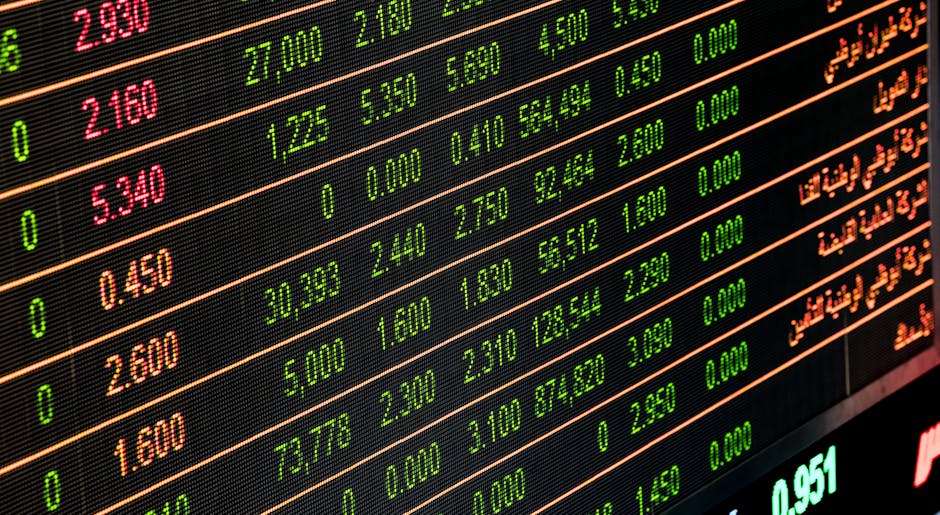
That's the part worth sitting with. This isn't a small-cap meme stock or a biotech on trial data. This is a $150 billion-plus memory chipmaker, and it moved 30% in a single session for the first time since the price-limit rules were widened. The last time the stock (then Hynix Semiconductor) hit a limit at all was back in 2009, under the old 15% band. Samsung Electronics, the actual #1 name on the index, wasn't far behind — up 28.02%, its best single-day gain on record. By some counts, three of the Kospi's top five companies by market cap hit limit-up the same day.
Why mega-caps almost never do this
Small stocks hit limit-up all the time — it doesn't take much capital to move a thinly traded name 30%. Mega-caps are the opposite story. To move SK Hynix 30% in a day, you need an enormous amount of real money crossing in one direction, because the float is massive and the daily volume needed to shift the price that much is enormous. Korean brokerage reporting pegged foreign net buying at roughly 5 trillion won that day — real institutional flow, not retail froth.
As I wrote when the stock was nearing the limit a day earlier, the setup was already unusual — Chey Tae-won's first-ever personal purchase of the stock, chip sentiment thawing after a rough stretch. What's different today is that the move actually completed: it didn't fade, it didn't stall three points short, it hit the wall.
What actually triggered it
The proximate catalyst was U.S. Big Tech earnings. Amazon's results showed cloud growth and AI capex commitments that reassured the market chip demand isn't cooling — and that flowed straight into Korean semiconductor sentiment, since SK Hynix and Samsung are the two names most levered to the HBM (high-bandwidth memory) side of the AI buildout. Combine that with Chey Tae-won putting his own money into the stock for the first time, and you get a rare alignment: a fundamental catalyst, an insider signal, and a technical setup (the stock had already been basing after a sharp pullback) all pointing the same direction on the same day.

Photo by PublicDomainPictures on Pixabay
The uncomfortable question: is this a blow-off top?
Here's where I want to push back on the easy narrative. A 30% one-day move in a mega-cap is exactly the kind of thing that shows up at both ends of a cycle — the start of a genuine re-rating, or the last gasp of a euphoric spike right before a hard reversal. The honest answer is you can't tell which one this is from the candle alone.
What tips me toward "re-rating, not blow-off" is the composition of the buying. Retail-driven limit-ups tend to be accompanied by margin-debt spikes and options activity skewed heavily toward short-dated calls. What's being reported here is foreign institutional flow — the kind of money that tends to be sized against a multi-quarter thesis (HBM supply tightness, AI capex staying elevated into 2027) rather than a one-day trade. That's a meaningfully different signature than a short squeeze.
What tips me toward caution: after a move this size, a lot of the good news is now priced in for the next few sessions at least. Stocks that gap 30% rarely just keep gapping — even genuine re-ratings usually digest for a stretch before the next leg. If you're looking at this fresh today, you're not getting in early; you're getting in after the crowd already showed up.
- Bull case: Foreign institutional buying, an insider (Chey Tae-won) putting personal capital in, and a real AI-capex catalyst from Amazon's earnings — this looks like flow-driven repricing of HBM supply tightness, not retail mania.
- Bear case: A 30% one-day move prices in a lot of good news fast; mean-reversion risk is real over the next 1-2 weeks even if the multi-quarter thesis holds.
- What would change my mind either way: Watch the next 3-5 sessions. Genuine re-ratings hold most of their gains and consolidate sideways; blow-off tops give back a third or more of the move within a week.
What this says about the memory cycle
Zoom out and the bigger signal isn't really about SK Hynix's chart — it's about how tight the HBM supply-demand balance has gotten. I've tracked this cycle closely, including how SK Hynix's record margins diverged sharply from Micron's stock reaction earlier this year. A market doesn't send a $150 billion company to its price ceiling on a routine earnings beat — it takes a genuine supply shock repricing, and that's consistent with what chip executives have been saying for months about HBM capacity being sold out well into 2027.
The takeaway
If you already own SK Hynix or its U.S.-listed peers with HBM exposure (Micron being the most direct comparison), today's move is a reason to check your position size rather than add blindly at the top of a 30% candle. If you don't own it and are tempted to chase, the more disciplined move is to wait for the first pullback and see whether it holds above where the gap started — that tells you more about whether this is real than the limit-up print itself does.
This is not financial advice — always do your own research before making investment decisions.


댓글
댓글 쓰기