SK Hynix's Limit-Up Wasn't Just a Bounce — It Was a Cycle Signal
SK Hynix didn't just hit a limit-up on July 31 — analysts now say the move is evidence the entire memory cycle is compressing, running faster and more violently than any cycle in the chip sector's history. The stock closed up 29.95% at 1,718,000 won, its first limit-up since South Korea widened the daily price band to ±30% in 2015, and only its first upper-limit close since January 2009.
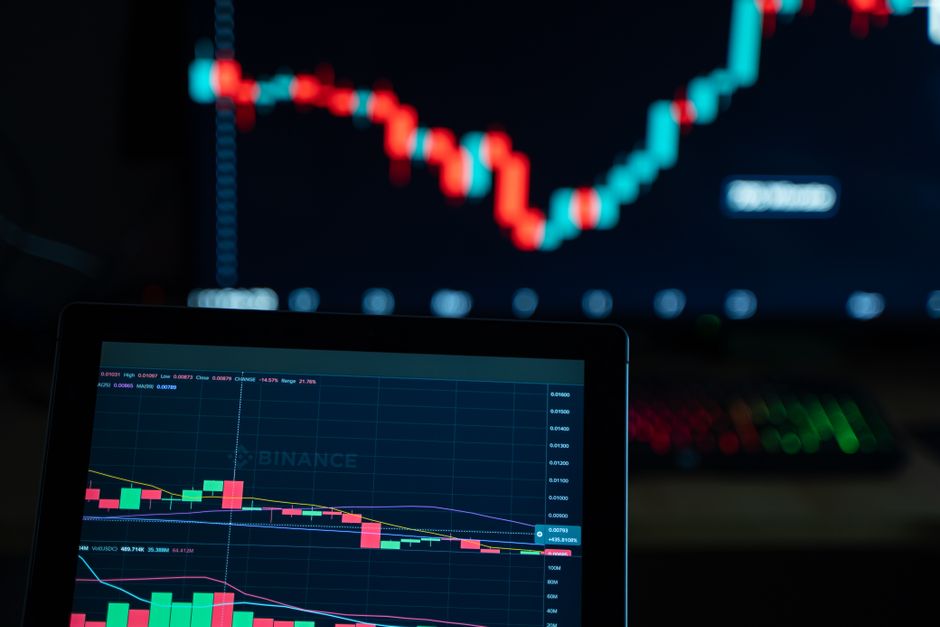
Photo by Rafael Minguet Delgado on Pexels
What happened
SK Hynix's 29.95% surge landed on the same day Samsung Electronics jumped 26.81%, pushing the KOSPI to a record 17.91% single-day gain to close at 6,595.45, with the KOSDAQ up 11.63%. As I covered in Kospi's 17.91% Record Rally: Foreigners Bought, Retail Had Already Sold, the rally came just days after both chipmakers had cratered — SK Hynix alone fell 54.71% in about a month, from a record high of 2,919,000 won on July 22 to 1,322,000 won on July 30, a swing detailed in SK Hynix Fell Into a Bear Market, Then Hit a 30% Limit-Up.
The trigger this time was stronger-than-expected cloud earnings from Microsoft and Amazon, which reignited confidence that AI infrastructure spending — and the memory demand behind it — isn't slowing down. That sent the iShares Semiconductor ETF up roughly 8.5% overnight, spilling directly into Seoul trading.
Why it matters — a compressed cycle, not just a bounce
What's different about this move is the framing from analysts covering the stock: the swing from bear-market territory to limit-up in a matter of days is being described as evidence the memory cycle is now running on a compressed timeline compared to past cycles, where booms and busts historically played out over quarters, not days. That matters because a faster cycle cuts both ways — it can mean upside arrives quicker, but it also means reversals can hit just as fast, as SK Hynix's own 54.71% drawdown a week earlier already demonstrated.
The macro backdrop lines up with that read. South Korea's July exports hit $98.89 billion, up 62.8% year-over-year and the second-highest monthly total on record, with semiconductor exports alone reaching $41.01 billion — up 178.8% and the second straight month above $40 billion. That's real shipment data, not sentiment, and it's the strongest signal yet that the memory shortage driving this rally is grounded in actual demand rather than pure momentum.

Photo by Quanlecntt2004 on Pixabay
Who's affected
Korean brokerages have been racing to raise price targets on SK Hynix even through the volatility. Kyobo Securities lifted its target to 4 million won, NH Investment & Securities raised its target from 3.2 million to 4.1 million won, IBK Securities moved from 1.8 million to 4 million won, and Korea Investment & Securities now has the Street-high target at 4.7 million won, up from 3.8 million — all citing AI-driven demand spreading beyond HBM into conventional DRAM and NAND.
The ripple effects extend well beyond Korea. As I noted in Apple Beat Every Estimate. The Memory Chip Shortage Tanked It Anyway, the same memory tightness squeezing SK Hynix's supply chain is already showing up as a cost headwind for device makers, while Micron and Nvidia's ecosystem — the U.S.-listed side of this trade — continue to move in near lockstep with Korean memory names, as tracked in Nvidia Reclaimed the Crown in 4 Days. Blame the Memory Chips.
What to watch next
- Whether the "compressed cycle" thesis holds: a memory cycle that moves in days instead of quarters means the next inflection — up or down — could arrive with far less warning than investors are used to.
- Follow-through in Korean export data: semiconductor exports need to keep clearing the $40 billion monthly bar for the demand story to stay credible rather than speculative.
- Whether brokerage targets converge or keep diverging: a spread from 4 million to 4.7 million won across major houses signals real uncertainty about how far this run can extend.
- Volatility itself as a risk: a stock that can lose 54% in a month and then gain 30% in a day is not a low-risk way to play the AI memory trade, regardless of the fundamental backdrop.
This is not financial advice — always do your own research before making investment decisions.
The fundamentals behind this move — record chip exports, broadening AI demand, and aggressive target hikes from major brokerages — are real and verifiable. But the speed of SK Hynix's swing from bear market to historic limit-up in the same week is itself the story: if the memory cycle really is compressing, both the gains and the drawdowns from here are likely to arrive faster than investors have historically had to price in.


댓글
댓글 쓰기