US Slaps 12.5% Tariff on Korea Just as SK Hynix Rides AI Boom
The U.S. Trade Representative just finalized new tariffs of 10% to 12.5% on imports from 60 trading partners — including South Korea, Japan, and Switzerland at the top 12.5% rate — under a forced-labor enforcement action that takes effect at 12:01 a.m. Friday, right as the temporary 10% worldwide tariffs it replaces expire.
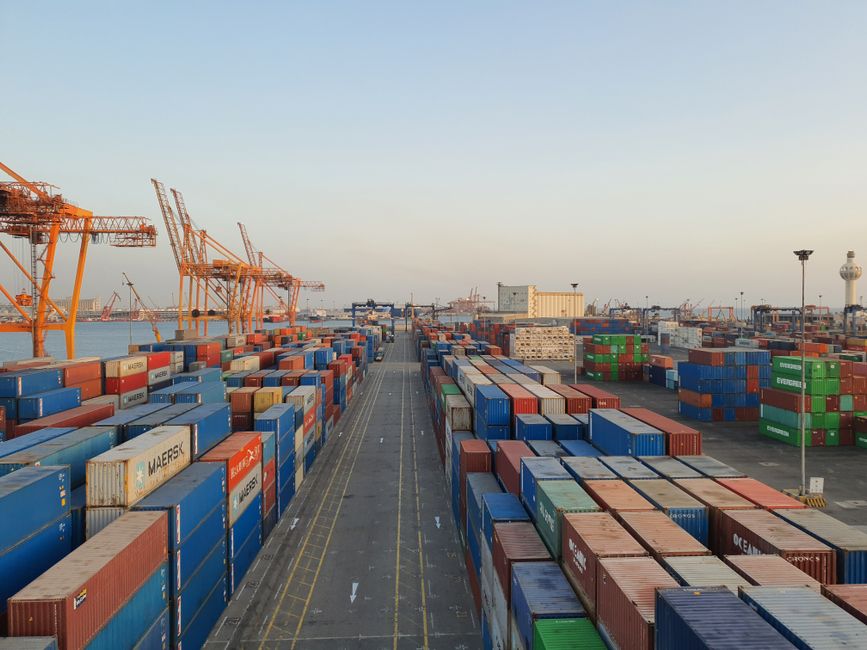
Photo by Bilal Ahmed on Pexels
What Happened
Under Section 301 of the Trade Act of 1974, the USTR concluded a review of 60 economies — accounting for roughly 99% of U.S. imports — over whether they've adequately banned goods made with forced labor. The result: 38 countries, including South Korea and Japan, will pay a 12.5% tariff; 17 countries get a lighter 10% rate after tightening forced-labor enforcement; and five fall somewhere in between depending on the product category. India, for example, saw its rate cut from 12.5% to 10% after strengthening its own enforcement rules.
Notably, autos, batteries, and steel were carved out of this particular framework, along with oil, gas, fertilizer, and goods that already qualify for duty-free treatment under the USMCA. That exemption matters — it means Hyundai and Kia's U.S.-bound vehicles are not directly hit by this specific tariff, even though Korea as a country lands in the top 12.5% bracket.
Why It Matters
South Korea has formally pushed back, telling Washington the USTR's forced-labor findings lack factual basis and that its existing bilateral trade agreement with the U.S. should have earned it more favorable treatment. Seoul's objection underscores how this tariff lands differently than a blanket "reciprocal" tariff — it's framed as an enforcement penalty, not a negotiating chip, which makes it harder for Korea to simply trade its way out.
The announcement lands in an already jittery week for U.S. equities. The Dow, S&P 500, and Nasdaq all sold off Thursday — the Dow shed about 507 points (-0.97%) to 51,711.65, the S&P fell 1.21% to 7,408.30, and the Nasdaq dropped 2.15% to 25,137.69. That particular session's damage was led by Alphabet's post-earnings 7% slide and Tesla's 14% drop, plus oil pushing past $100 on Middle East tensions, as covered in Dow Drops 500 as Oil Tops 100, Tesla and Alphabet Both Sink. The new tariff news adds a fresh, distinct headwind on top of that — one specifically aimed at trade costs rather than earnings or oil.

Photo by ElasticComputeFarm on Pixabay
Who's Affected
Because autos are exempt, the sharpest exposure falls on Korea's semiconductor exporters — namely Samsung and SK Hynix, whose memory chips are not carved out of the Section 301 list. That's an awkward moment for the trade: SK Hynix's Nasdaq-listed ADR just jumped 7% and reclaimed its debut price on the back of Alphabet's AI capex commitments, as I wrote about in SK Hynix ADR Jumps 7%, Reclaims Nasdaq Debut Price on Alphabet Capex. A 12.5% tariff on Korean chip exports doesn't erase that AI-driven demand story, but it does chip away at the margin math for a rally that's been built on the idea that Korea's memory boom is structurally underpriced — the same thesis behind Korea's GDP Beat Just Confirmed the Memory Chip Boom Is Real.
- Directly exposed: Korean semiconductor and electronics exporters (Samsung, SK Hynix) shipping chips, displays, and components to the U.S.
- Largely shielded: Korean automakers (Hyundai, Kia) thanks to the auto/battery/steel carve-out.
- Indirect winners to watch: U.S.-based memory and chip producers like Micron, which don't face this import tariff and could see a relative cost advantage against Korean rivals in U.S.-bound sales.
- U.S. buyers of Korean components: companies sourcing memory or display parts from Korea absorb higher input costs unless they can pass them through or resource elsewhere.
What to Watch Next
Three things determine whether this stays a headline or becomes a real earnings drag. First, whether Seoul's formal objection gets any traction — Korea is explicitly arguing its separate bilateral trade deal should exempt it, and a partial rollback (like India's cut from 12.5% to 10%) isn't off the table if Korea tightens its own forced-labor enforcement paperwork. Second, watch guidance from Samsung and SK Hynix on upcoming earnings calls for any explicit tariff-cost commentary — that's the cleanest signal of whether 12.5% gets absorbed into margins, passed to customers, or offset by continued AI-driven chip demand. Third, keep an eye on whether other exempted categories (autos, batteries, steel) get pulled into a future tariff round, since today's carve-outs aren't guaranteed to be permanent.
The bigger-picture read: this tariff doesn't touch the demand side of the AI memory story — that's still driven by hyperscaler capex, not trade policy. What it does is add a cost variable to a rally that had been trading as if nothing could slow it down.
This is not financial advice — always do your own research before making investment decisions.
Investors should treat this less as a market-crashing event and more as a margin question for Korea's chipmakers — one that will show up in guidance long before it shows up in a single day's stock move.


댓글
댓글 쓰기