Houthi Attack on Saudi Tankers Sends Oil Past $100, Nasdaq Sinks 2.2%
Oil just broke $100 a barrel for the second time this month after Yemen's Houthi rebels attacked two Saudi oil tankers in the Red Sea on Thursday, opening a dangerous new front in the widening Iran conflict and sending the Nasdaq Composite down 2.15% while the Nasdaq-100 tumbled 2.2%.
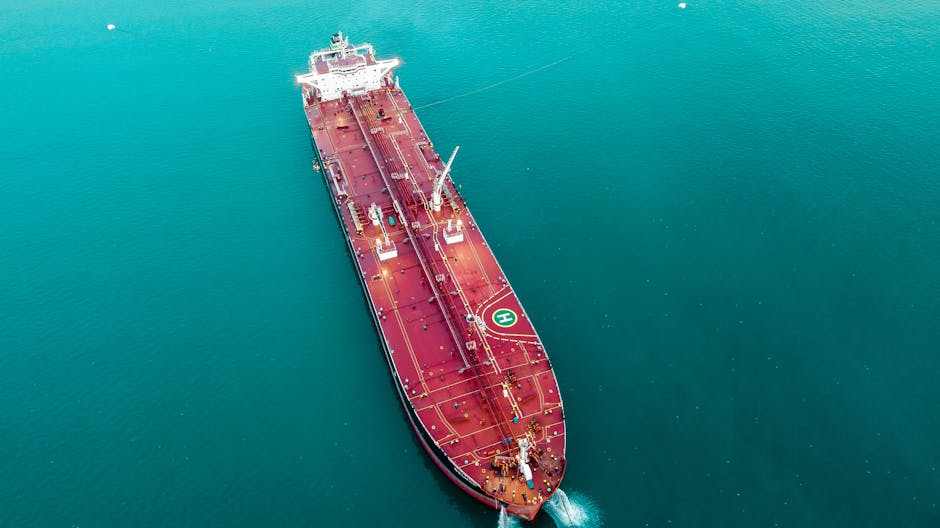
Photo by Alexander Bobrov on Pexels
What Happened
Brent crude jumped as much as 7% intraday, touching roughly $102 a barrel before settling near $100.69 -- its highest level in eight weeks -- after the Houthis claimed responsibility for striking two Saudi-flagged tankers. President Trump responded by threatening "major military punishment" against the Houthis and said the U.S. would hold Iran directly responsible, framing the group as an Iranian proxy. The attack came as the U.S. carried out a 12th consecutive night of strikes inside Iran, underscoring how far the conflict has already escalated beyond the Strait of Hormuz closure I covered in Oil Tops $100 as Hormuz Ceasefire Collapses, Dow Sheds 477 Points.
The S&P 500 fell 1.2% to 7,409 and the Nasdaq Composite closed at 25,137.69, marking one of its worst single-day drops in a month. Tech shares bore the brunt, compounded by AI-capex jitters from Alphabet's and Tesla's earnings -- a story already broken down in Alphabet Just Went Cash-Flow Negative for the First Time Ever.
Why It Matters: A Widening Energy Chokepoint
The Red Sea is a separate and arguably more consequential chokepoint than the Strait of Hormuz for global trade -- it's the direct route to the Suez Canal, meaning any sustained disruption forces tankers and container ships onto the much longer route around the Cape of Good Hope. The Houthis have also threatened to shut down this corridor entirely, which would compound the supply anxiety already triggered by Iran's earlier closure of Hormuz. U.S. gasoline prices have already climbed to an average of $4.09 a gallon following the tanker attack, a direct read-through from Red Sea risk to consumer wallets.
That combination -- a live shooting war spreading to a second major shipping lane, plus a White House openly discussing further strikes on Iran -- is why oil's move above $100 is being treated by traders as a structural repricing of geopolitical risk rather than a one-day spike.

Photo by congerdesign on Pixabay
Who's Affected
- Energy producers and oil services are the clearest beneficiaries of a sustained move above $100 crude, since higher realized prices flow straight to upstream margins.
- Airlines and transportation stocks face the opposite pressure -- jet fuel and shipping costs rise directly with crude, squeezing margins for carriers already contending with softer consumer spending.
- Consumer discretionary names are exposed indirectly: $4.09 gasoline eats into discretionary budgets just as several major retailers head into back-to-school season.
- Big tech took the sharpest hit on a percentage basis Thursday, but that was primarily a capex-guidance story from Alphabet and Tesla layered on top of the macro selloff, not a direct casualty of oil prices.
What to Watch Next
The immediate variable is whether Trump follows through on "major military punishment" against the Houthis, and whether Iran responds by further targeting shipping lanes -- either escalation path would likely push oil higher still. Investors should also watch whether the Red Sea disruption starts showing up in freight rates and insurance premiums for tankers transiting the corridor, which would be an earlier and more concrete signal than crude price alone. On the earnings side, Amazon reports July 30, and given how harshly the market punished Alphabet's capex guidance -- a dynamic I laid out in Amazon Reports July 30: Will It Get Punished Like Alphabet Just Was? -- any similar spending signal from Amazon could add another leg down for tech even without new geopolitical news.
This is not financial advice -- always do your own research before making investment decisions.
Thursday's selloff was really two separate stories colliding: a genuine escalation in a live shooting war that's now threatening a second major shipping corridor, and a tech sector still digesting whether AI capex spending is sustainable. Energy and inflation-sensitive names are the more direct trade on the Red Sea story; how long the tech pressure lasts depends on next week's earnings, not on oil.


댓글
댓글 쓰기