Kospi Loses 7,000, Reclaims It in Days as Chips Roar Back
The Kospi ripped 5.85% higher on July 22, hitting a buy-side sidecar and reclaiming 7,000 just days after losing it — the kind of whiplash that's becoming the defining feature of Korea's chip-driven market this month, not the exception.
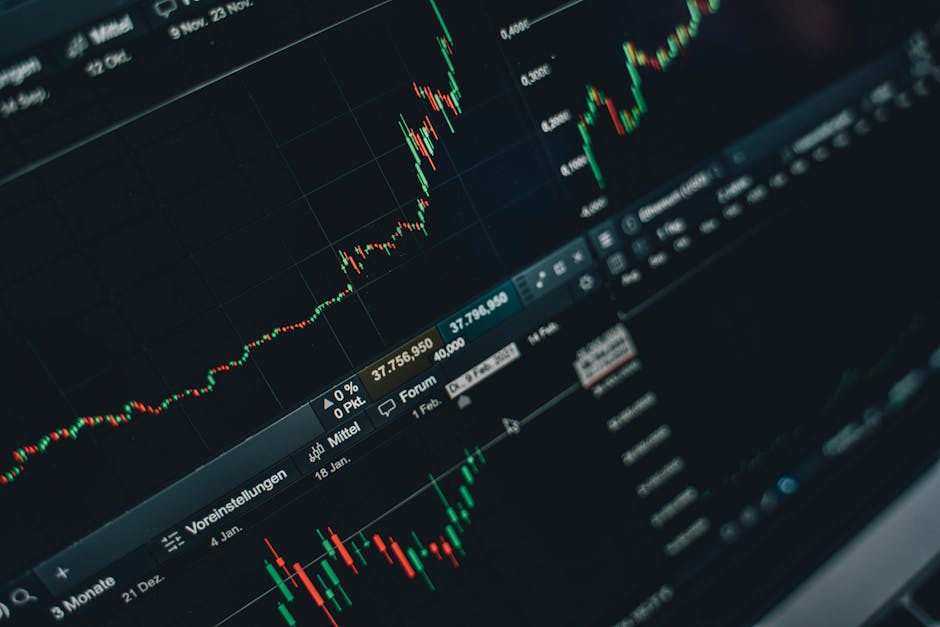
Photo by Alesia Kozik on Pexels
What Happened
By 11 a.m. local time, the Kospi was up 394.50 points, or 5.85%, to 7,142.45, according to Financial News. The move triggered Korea's automated buy-side sidecar at 9:06:02 a.m., which pauses program buy orders for five minutes to slow the pace of the rally — the 20th buy-side sidecar and 40th sidecar overall this year, an extraordinary frequency that underscores how volatile the index has been in 2026.
Samsung Electronics jumped 6.27%, while SK Hynix surged 8.83% to close at 2,082,000 won. Foreign investors were the driving force, net-buying 2.655 trillion won worth of shares, according to Financial News' market wrap.
Why It Matters — the Whiplash Is the Story
Today's bounce doesn't exist in isolation. The Kospi had briefly lost the 7,000 level again just days earlier, then clawed it back within roughly four days, per Seoul Economic Daily. That follows a much sharper round trip: the index topped 9,000 in mid-June on "10,000 Kospi" enthusiasm, then cratered roughly 25% in under a month after Meta's neocloud announcement was read by traders as a signal that hyperscalers had surplus AI compute and would slow memory-chip purchases — spooking a market that had priced in an uninterrupted chip supercycle.
That selloff briefly dragged foreign and institutional investors into heavy net-selling before they flipped back to aggressive buyers this week, which is exactly the pattern that's now repeating with each sidecar trigger. As I covered in Kospi Sidecar Fires as Samsung, SK Hynix Rip 5-9% Higher, this isn't the first time program-trading halts have kicked in on a single-day chip surge — it's becoming close to routine.

Photo by ElasticComputeFarm on Pixabay
Who's Affected
Samsung Electronics and SK Hynix remain the two stocks doing almost all the work, both in the selloff and the recovery, which means U.S.-listed proxies and suppliers tied to the memory chip cycle are exposed to the same swings. SK Hynix's Nasdaq ADR has been an amplifier of sentiment in both directions, and the won has moved in tandem with ADR flows, a dynamic I detailed in Won Slides as SK Hynix's ADR Cash Fuels Kospi's 6,700 Comeback. U.S. chipmakers and equipment suppliers with Korean exposure — and ETFs tracking Korean equities — are all riding the same volatility, since the underlying question (is the AI memory-chip cycle intact or ending) hasn't actually been resolved by either the crash or the rebound.
What to Watch Next
Two catalysts loom. First, earnings season: Samsung Electronics and SK Hynix both report in the coming weeks, and their guidance on memory pricing and AI-chip demand will do more to settle the "cycle over or not" debate than any single day's price action. Second, the July 24 deadline on Korea's tariff arrangement with the U.S. is close enough to inject fresh macro risk into a market that's already swinging 5%+ in a single session with regularity — a risk I laid out in Korea's 15% Tariff Cap Faces Its Biggest Test as July 24 Nears. Watch whether foreign net-buying holds for multiple consecutive sessions, rather than reversing the way it did after the mid-June peak — that's the real signal of whether this is a durable floor or another leg in the round trip.
This is not financial advice — always do your own research before making investment decisions.
The bigger takeaway: a single day's 5.85% rally and a fresh sidecar trigger are dramatic, but they're the latest data point in a market that has now round-tripped from 9,000 to below 7,000 and back in about a month. That volatility itself — not just the direction — is what investors weighing Korean chip exposure need to be pricing in going into earnings season.


댓글
댓글 쓰기