Kospi's 20th Sidecar of 2026 Hits as Foreign Buying Hits 3 Days
Kospi opened up 4.51% at 7,052.09 on Wednesday and kept climbing, hitting an intraday high of 7,166.00 as a buy-side sidecar tripped just six minutes into the session — the 20th time that circuit breaker has fired on the index this year, and the second straight trading day it's happened.
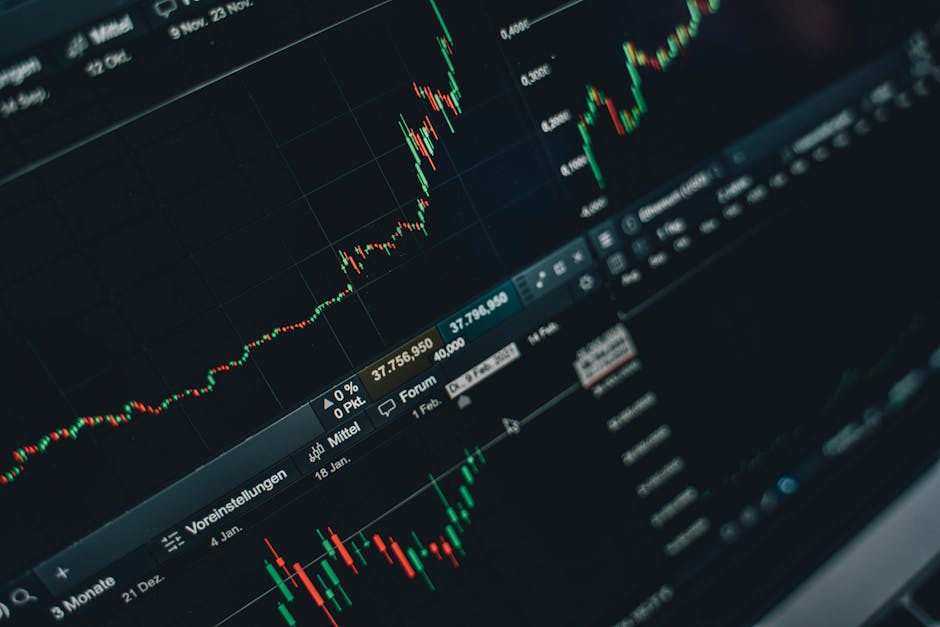
Photo by Alesia Kozik on Pexels
What happened
At 9:06 a.m. local time, Kospi 200 futures jumped 5.40% above the prior day's close, automatically triggering Korea's buy-side sidecar and freezing program buy orders for five minutes. Samsung Electronics led the charge, up 5.60-5.79% to around 273,500-274,000 won, while SK Hynix surged as much as 8.50-8.88% to roughly 1,992,000-1,999,000 won. The move tracked overnight strength in U.S. semiconductor names, which spilled directly into Seoul trading.
This isn't an isolated spike. As I covered in Kospi's Second Straight Sidecar Signals Chip Rally Has Legs, back-to-back sidecar triggers earlier this month already marked an unusual pattern. Wednesday's print pushes that streak further and adds a new data point: this is officially the 20th sidecar activation of 2026, an extraordinary frequency for a single calendar year.
Why it matters — market reaction so far
The scale of foreign buying is what separates this session from a routine chip-led pop. Foreign investors bought a net 2.8028 trillion won worth of Kospi shares by midday, even as individual and institutional investors sold a combined roughly 2.7656 trillion won. That's a sharp divergence in positioning: retail and institutions took profits into the rally while overseas funds kept adding. Foreign investors have now posted net buying for three straight trading sessions, from July 20 through July 22 — a streak worth watching after a stretch where foreign flows had been more inconsistent, as I noted in Won Slides as SK Hynix's ADR Cash Fuels Kospi's 6,700 Comeback.
The reclaim of the 7,000 level itself is notable given how volatile that threshold has been this month. Kospi lost and retook 7,000 within days just weeks ago, a whiplash pattern detailed in Kospi Loses 7,000, Reclaims It in Days as Chips Roar Back. Wednesday's move went further, pushing the index roughly 1,000 points above that level intraday.

Photo by ElasticComputeFarm on Pixabay
Who's affected
- Samsung Electronics and SK Hynix — the two stocks driving essentially the entire index move, both up mid-to-high single digits to double digits.
- Foreign institutional funds — the buyer of record for three consecutive sessions, a shift from the mixed flows seen in prior weeks.
- Domestic retail and institutional investors — net sellers into the rally, suggesting some profit-taking even as the index grinds higher.
- Program trading desks — directly affected by the five-minute buy-order freeze triggered by the sidecar mechanism itself.
What to watch next
The immediate question is whether foreign buying extends to a fourth or fifth session, which would mark a more durable shift rather than a one-off reaction to overnight U.S. chip strength. Korean financial media have also flagged how unusual this month has been mechanically — reports noted that July 2026 has seen a sidecar or circuit breaker activation on all but three trading days, an extreme reading by historical standards. That kind of volatility cuts both ways: it reflects genuine momentum in the chip trade, but it also raises the odds of a sharp pullback if the catalyst (U.S. semiconductor sentiment) reverses.
Investors should also watch how Samsung and SK Hynix hold their gains into the close, and whether the won's moves against the dollar continue to track foreign equity flows as closely as they have in recent sessions.
This is not financial advice — always do your own research before making investment decisions.
Takeaway: Wednesday's rally is real and well-documented — a 20th sidecar of the year, three straight days of foreign buying, and a decisive reclaim of 7,000 backed by chip-sector strength. But the frequency of these circuit-breaker events this month is itself a signal of how stretched and reactive this market has become, and that volatility is a risk factor as much as it is confirmation of the trend.


댓글
댓글 쓰기