Yen Craters to 163, Weakest Since 1986, on Mideast Flight to Dollar
The Japanese yen just broke a level that has held for nearly four decades: the dollar touched 163.24 yen in New York trade on Tuesday, its weakest since December 1986, as Middle East tensions send investors sprinting into the safety of the greenback.
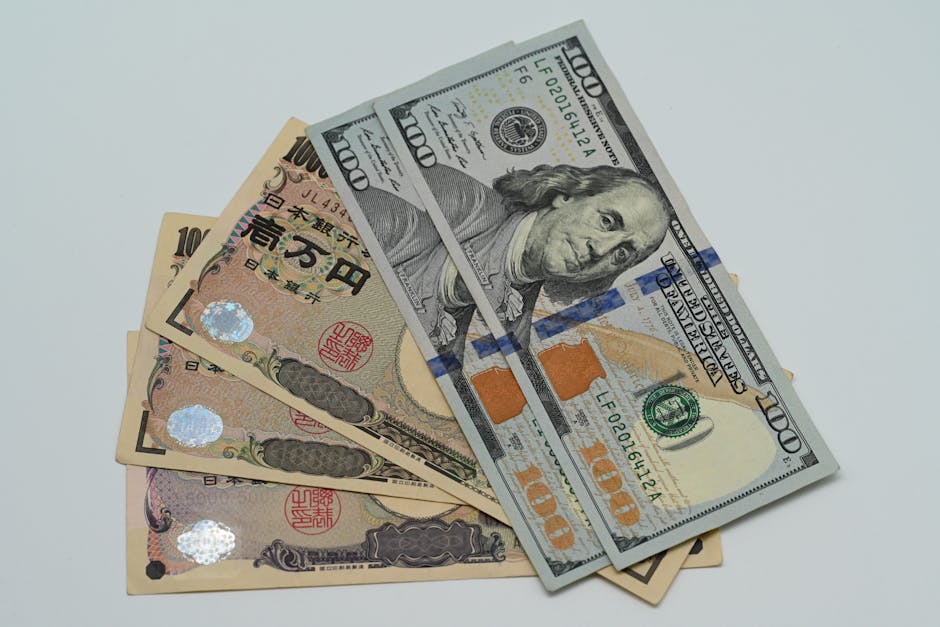
What Happened
USD/JPY pushed through the previous 2026 high of 162.84 yen — set on July 1 — and stop-loss selling accelerated the move into the 163 handle, a threshold unseen in 39 years and 7 months. By early Wednesday trade in Tokyo, the pair was still sitting in the lower 163 range. The move tracks a broader dollar bid tied to escalating U.S.-Iran tensions, the same geopolitical backdrop that sent oil jumping 2% earlier this week on the Houthi blockade of Saudi Arabia. Rising oil prices are doing double duty here: they're fueling safe-haven dollar demand while simultaneously widening Japan's trade deficit, a combination that's pulling the yen lower from both sides at once.
Why It Matters — Market Reaction So Far
The dollar's strength isn't isolated to the yen. Higher U.S. Treasury yields and oil-driven inflation expectations are reinforcing the case for the dollar as the preferred safe asset while Middle East risk stays elevated. Japanese officials had already spent an estimated $74 billion defending the currency earlier this year, according to CNBC reporting, and the break above 163 has immediately reignited intervention speculation out of Tokyo — traders are now watching for verbal or actual action from Japan's Ministry of Finance. Ironically, Tokyo equities shrugged off the currency move: the Nikkei briefly gained nearly 1,200 points, since a weaker yen mechanically flatters the yen-denominated earnings of Japan's export-heavy index, even though many large exporters have hedged more than half their annual exposure, which mutes the near-term profit boost.

Photo by HScarphotographie on Pixabay
Who's Affected
For U.S.-listed names, Toyota Motor's (NYSE: TM) ADR is the most direct read-through — a weaker yen lowers Toyota's dollar-cost base and improves its pricing flexibility against Detroit rivals like Ford and GM in the U.S. market, reviving a competitiveness debate that flares up every time USD/JPY makes a new low. The move also lands squarely on Korea's export sector: a cheaper yen makes Japanese autos, machinery and electronics more price-competitive globally, adding pressure on Korean exporters just as they navigate the run-up to the July 24 deadline testing Korea's 15% tariff cap. That's compounding the "double pressure" already weighing on the won, where foreign investors have been net sellers of Korean equities even as the Kospi's rally has kept flirting with 7,000, a dynamic covered in Samsung Dips, Kospi Tags 7,000 Again. On the U.S. import side, retailers and food companies with heavy yen-denominated sourcing get a near-term cost tailwind, while import-dependent sectors elsewhere in Asia that compete with Japanese suppliers face the opposite squeeze.
What to Watch Next
- Intervention risk: Japan's Ministry of Finance has a track record of stepping in near round-number thresholds; a verbal warning or direct yen-buying operation could snap back USD/JPY sharply and hit any position leaning short-yen.
- Carry trade unwind: An estimated $500 billion in yen carry positions remains outstanding. These trades tend to unwind in a synchronized, abrupt fashion rather than gradually — a reminder of the volatility spike triggered by the 2024 carry unwind — so a sudden yen reversal is the bigger tail risk to U.S. equities than the slow slide itself.
- Fed and BOJ policy paths: Any signal that narrows the U.S.-Japan rate differential — a Fed cut or a more hawkish Bank of Japan — would remove the core engine behind the yen's weakness.
- Oil and Middle East headlines: As long as tensions stay elevated, the same safe-haven dollar bid pressuring the yen is likely to keep oil prices and Treasury yields correlated with USD/JPY moves.
A yen at a 39-year low is a genuine market event, not background noise — it's reshaping competitive dynamics for automakers, adding fresh pressure to Korean exporters, and raising the odds of an intervention headline that could whipsaw currency-sensitive stocks with little warning. The bigger risk isn't the current level itself but how abruptly it could reverse if Tokyo acts or global risk sentiment flips.
This is not financial advice — always do your own research before making investment decisions.


댓글
댓글 쓰기