Kospi's 7,000 Breakout Finally Sticks — Here's Why This Time Is Different
South Korea's Kospi closed at 7,096.89 on Thursday, up 299.19 points or 4.40%, finally clearing the 7,000 level that had rejected it twice earlier this week — and this time the gain held into the close instead of evaporating by the final bell.
What happened
The index opened more than 2% higher and kept climbing as Samsung Electronics and SK Hynix both surged, with multiple Korean outlets confirming both stocks moved in the 4% range intraday. The Kosdaq, Korea's tech-heavy secondary board, jumped over 5% and triggered a buy-side sidecar. The catalyst was Alphabet's latest earnings: the Google parent raised its 2026 capital expenditure guidance to $195 billion–$205 billion, up from its prior $180 billion–$190 billion range, while reporting second-quarter revenue of $119.8 billion (up 24% year-over-year) and Google Cloud revenue growth of 82%. That combination — bigger AI infrastructure spending plus proof that cloud demand is actually materializing — is exactly what memory-chip investors have been waiting for confirmation on.
Why it matters — the pattern finally broke
As I covered in Kospi Finally Holds 7,000 After Two Failed Runs This Week, the index had already poked above 7,000 intraday on prior sessions only to close back near 6,700–6,800 as profit-taking kicked in. What's different this time is the buying behind it: foreign investors net-bought roughly 2.33 trillion won of Kospi shares on Thursday, extending a streak of foreign net buying to four consecutive sessions — a persistence that wasn't there during the earlier failed attempts, as I noted when Foreign Funds Buy Korean Chips 4 Days Straight first flagged the streak. Sustained, multi-day foreign flow — rather than a single index-hugging pop — is generally what separates a real trend change from a short squeeze.

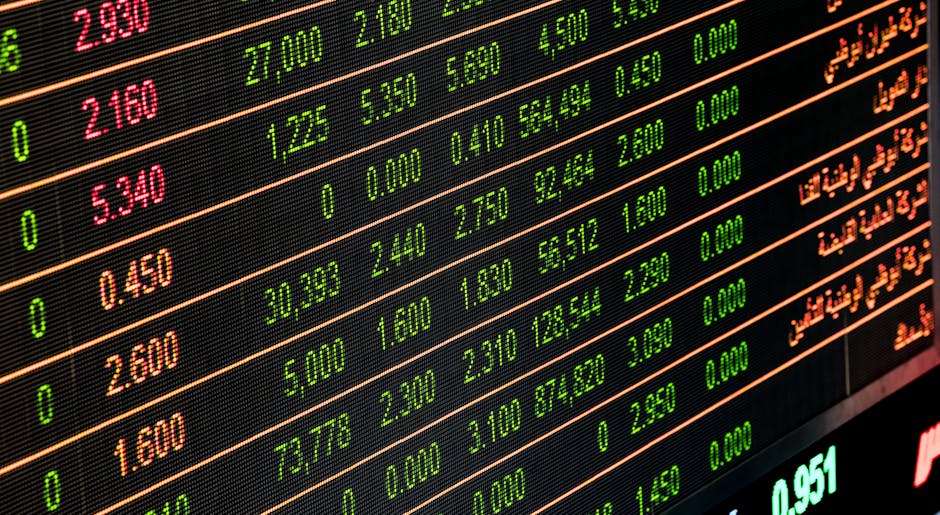
Photo by ElasticComputeFarm on Pixabay
Who's affected
- Samsung Electronics and SK Hynix — the two stocks doing the heaviest lifting, both up sharply on the day as AI memory demand expectations reset higher.
- U.S. memory and semiconductor names — Micron, SanDisk, and Western Digital all posted double-digit percentage gains overnight, and the Philadelphia Semiconductor Index rose more than 5%, showing the rally isn't confined to Seoul.
- Alphabet — its own capex guidance raise is the root cause of the move, tying this directly to the AI infrastructure spending story that's been whipsawing chip stocks all month.
- Kosdaq-listed smaller tech names — the secondary board's 5%+ jump and sidecar trigger show retail-heavy speculative names participated even more aggressively than blue chips.
What to watch next
Citi has kept a 10,000 year-end Kospi target in place through the recent volatility, arguing the prior pullback was a technical correction rather than a fundamental break, while Morgan Stanley holds a more conservative 9,000 target — both implying meaningful upside is still on the table if this rally extends. But the Kospi has already shown twice this week that a 7,000 close can reverse fast, and Korean retail investors have reportedly stayed cautious even as the index ripped higher, which is itself a signal worth watching. The next test is whether foreign buying extends to a fifth and sixth session, or whether Thursday's close was itself the peak of this leg — the same question that undid the previous two attempts at this level.
This is not financial advice — always do your own research before making investment decisions.


댓글
댓글 쓰기